
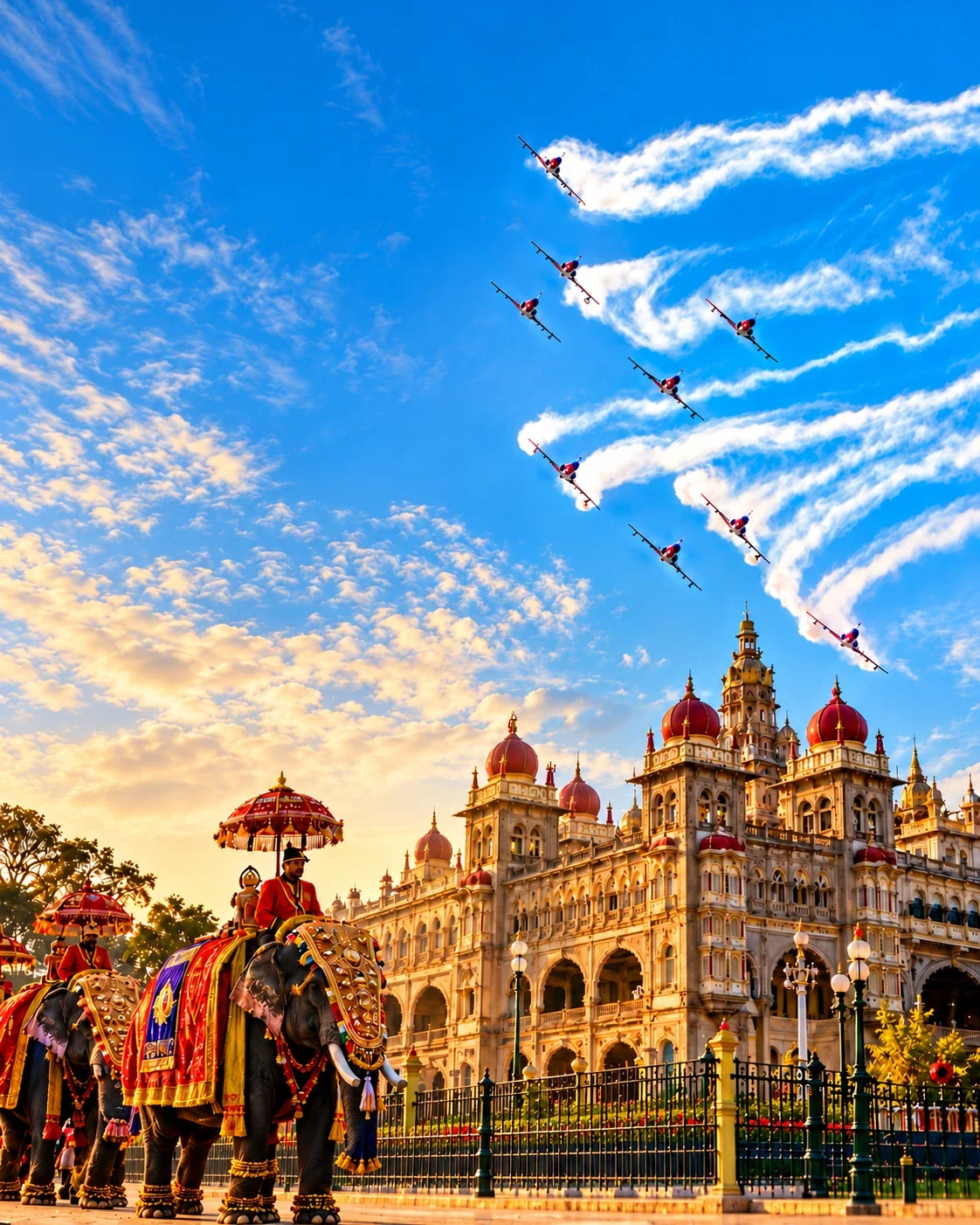
Where the word comes from, how the city came to look the way it does, and the festival the whole of it turns out for.
The name
Where Mysuru comes from
Mysuru is Mahishūru worn smooth by centuries of saying it —
Mahishasurana Ooru, the town of Mahishasura. The Devi Purana tells it: a
buffalo-headed demon held this plain until the goddess Chamundeshwari came down
and killed him on the hill above the city.
The hill and the city have carried the two names ever since. The British wrote
Mysore; the state gave the older name back on 1 November 2014.
Most of what a visitor walks through was built between the fifteenth and
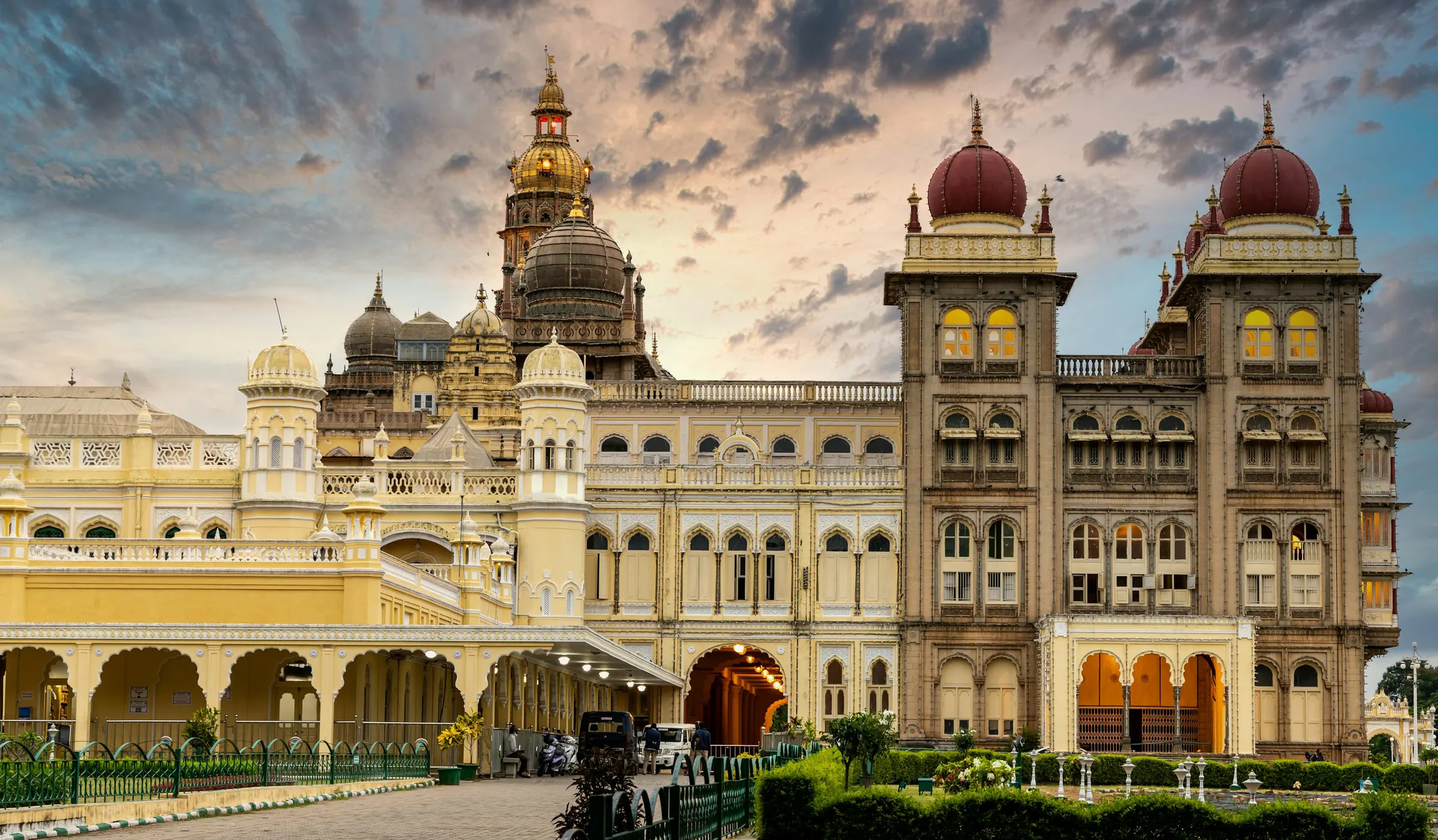
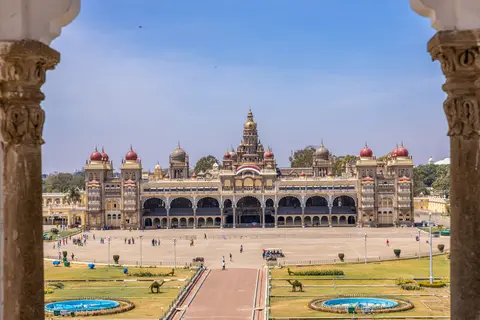
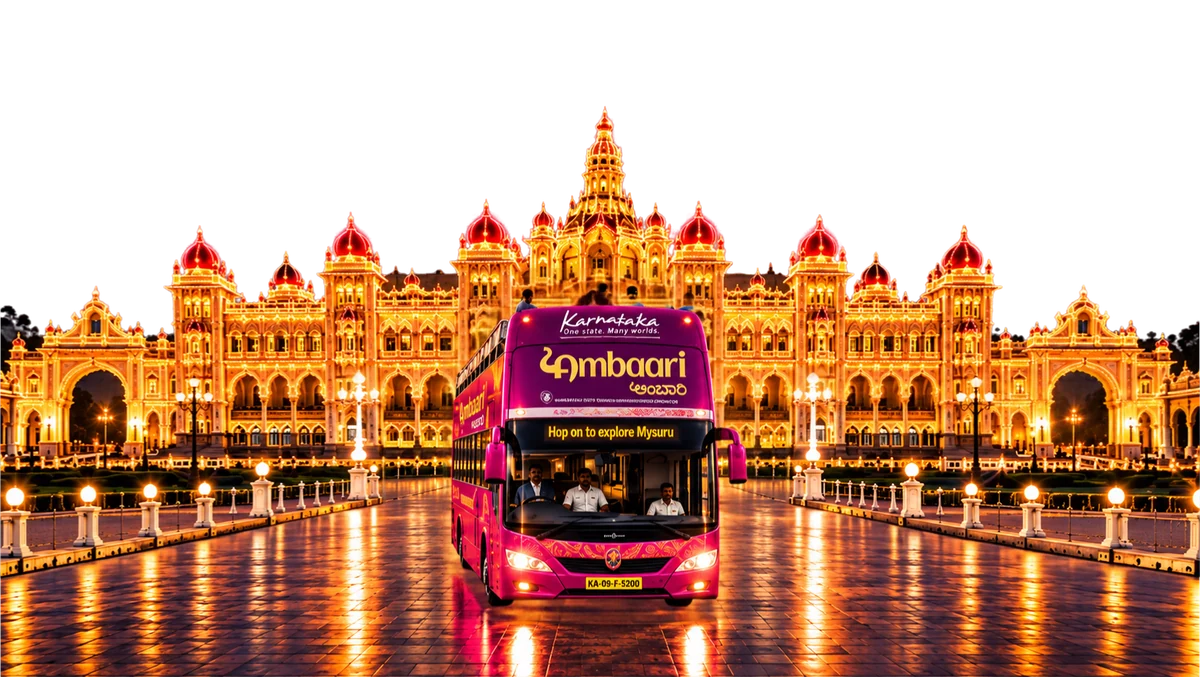
twentieth centuries — Amba Vilas, raised after the older palace burned
in 1897; the university of 1916, the first in the state; the gardens, the
lakes, and the zoo laid out in 1892.
None of it is a preserved quarter. The silk is still woven at the state
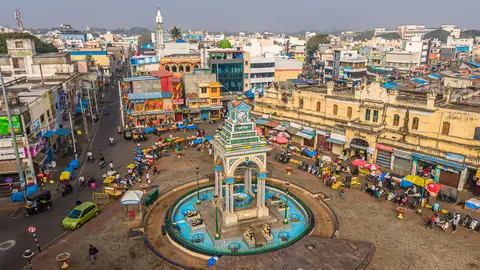
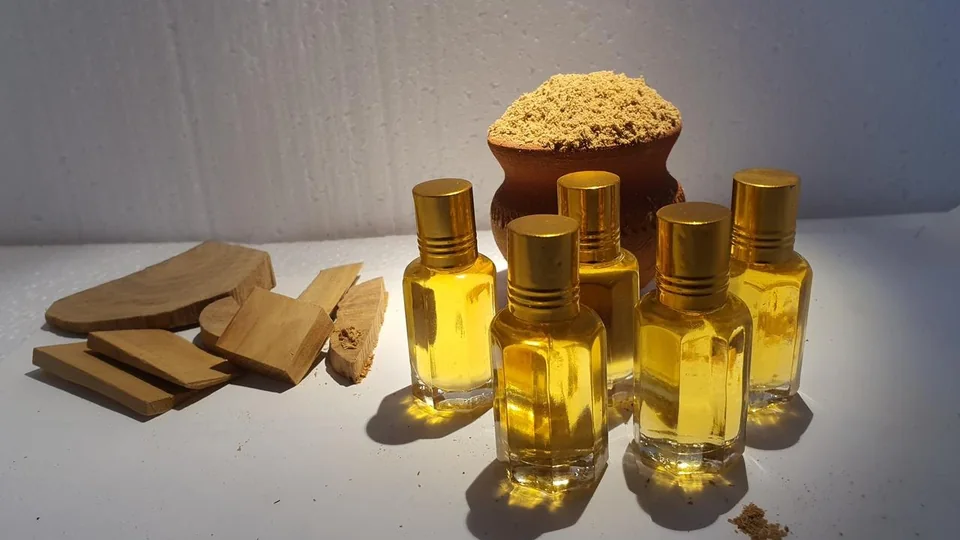
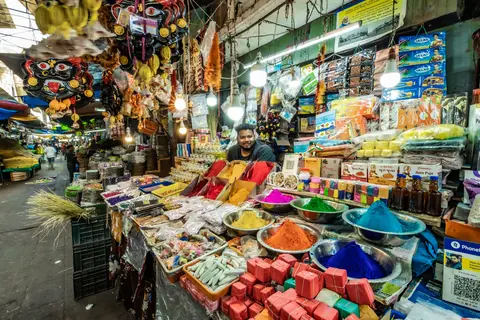
factory, the sandalwood still worked into oil and soap, and Devaraja Market
has traded the same streets for two hundred years.
Every programme the sub-committees have announced, grouped by the day it falls on. The official Dasara site remains the authority on timings and any revision.
Palaces, temples, markets and wild country — the whole of Mysuru, gathered in one place.
✦ Explore Mysuru ✦
Where to go · Attractions Map
42 places
From the hill
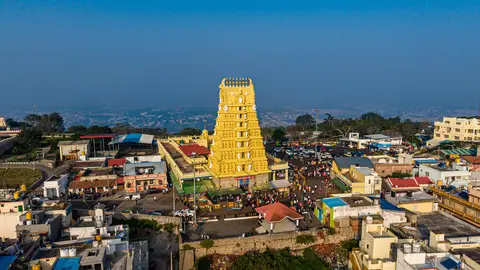
The hill the city is named after
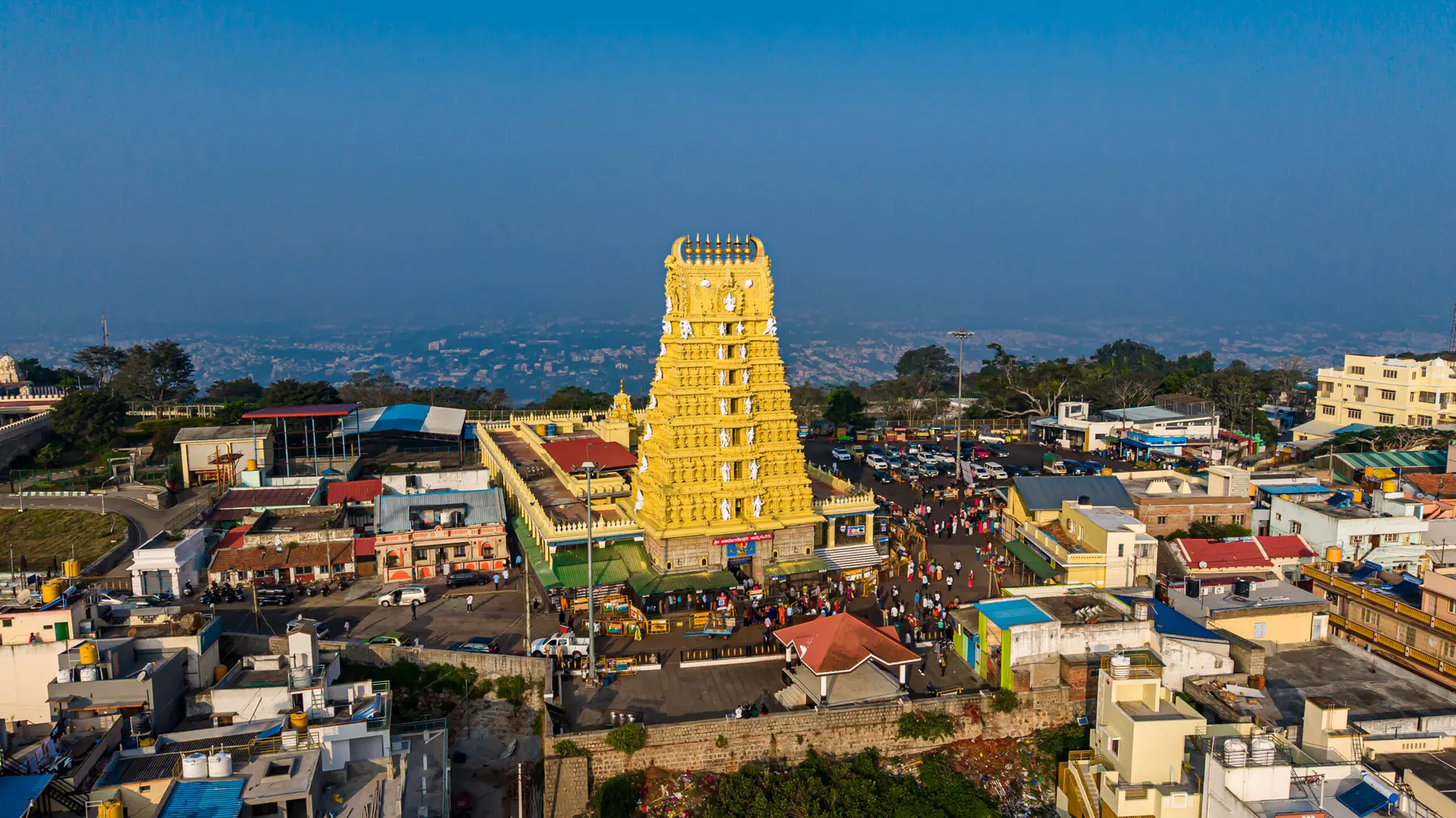
Chamundeshwari’s temple stands at the top of Chamundi Hill, and Mysuru lies on the plain below it. A thousand steps climb to it, or a road winds up the far side — and the view back down is the one most people remember.
Yatri Mitra is a tourist patrol vehicle that circles the Palace, Chamundi Hill, the zoo, the railway station and the bus stand, with two trained Tourist Mithras aboard — for directions, for answers you can rely on, and for help in an emergency.
Two Tourist MithrasTrained first responders, on board
Sandalwood, silk, a soap and a sweet — each began with the palace, and three are still made by the state.
Since the 18th century
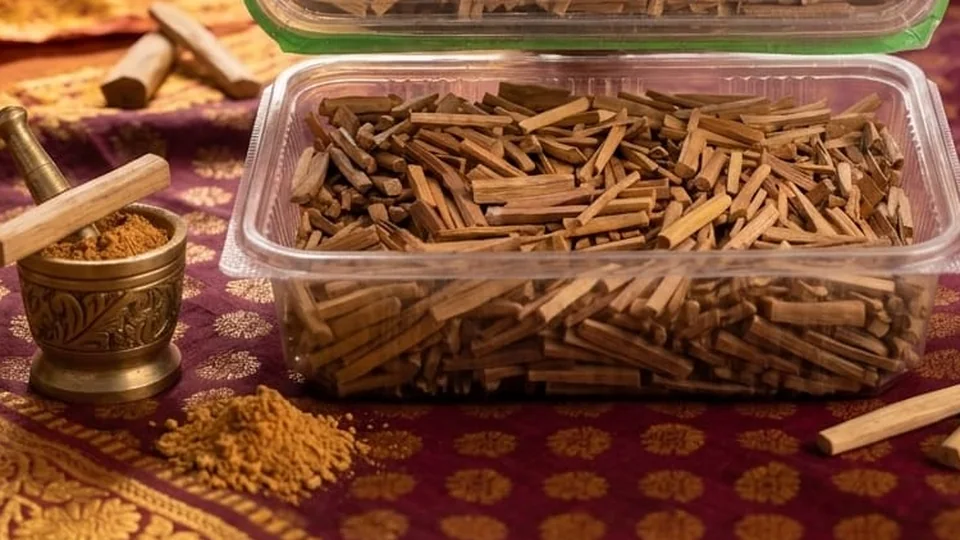
Mysore sandalwood
Santalum album grows across these hills, and the Wodeyars made it a royal tree — none could be felled without the crown's leave. When the First World War closed the export market the unsold stock was distilled instead, and the Government Sandalwood Oil Factory opened here in 1917.
1916
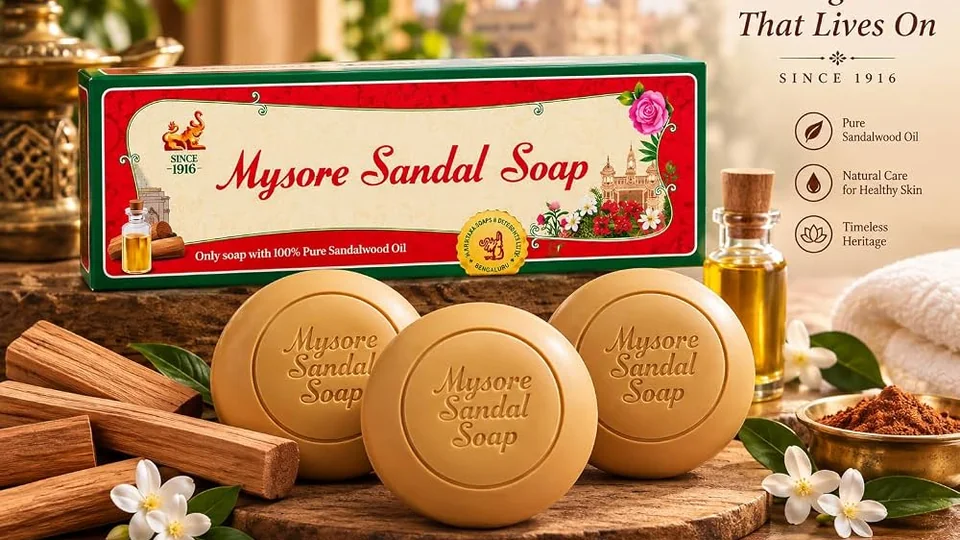
Mysore Sandal Soap
Nalvadi Krishnaraja Wodeyar and Sir M. Visvesvaraya turned that surplus oil into soap. The works they founded became Karnataka Soaps & Detergents Limited — still state-owned, still using Mysore sandalwood oil, and carrying a Geographical Indication.
1912
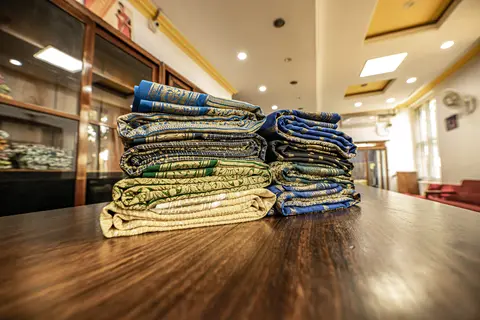
Mysore silk
The Maharaja imported looms from Switzerland to dress the court and the army. The factory runs today as the Karnataka Silk Industries Corporation, and a Mysore silk saree carries a GI tag and a gold-stamped code woven into its border.
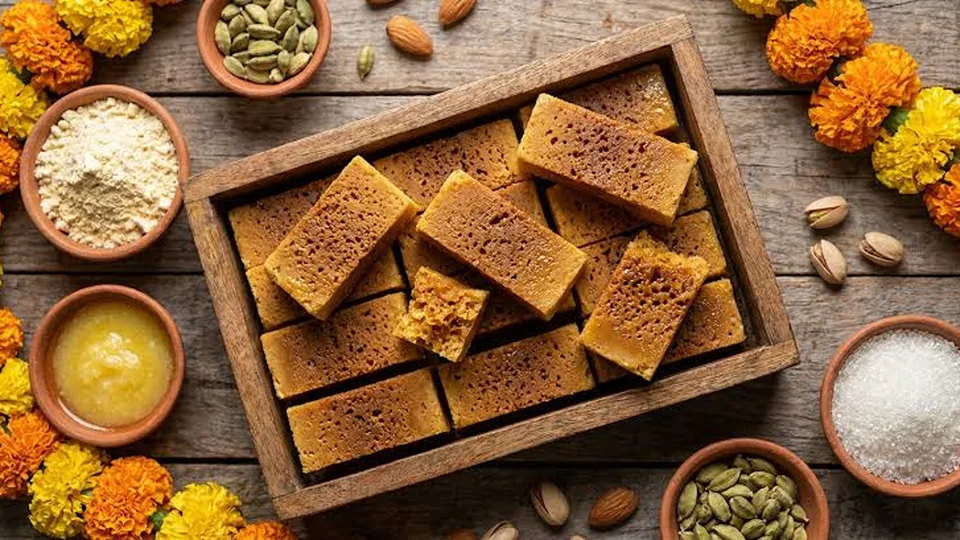
Made first for Krishna Raja Wadiyar IV by the palace cook Kakasura Madappa — gram flour, sugar and a great deal of ghee, cooked until it turns porous. His family have sold it in the city ever since.
Silk, sandalwood and handicrafts are widely imitated. Buy at the state-run counters and you get a fixed price, a printed bill, and a guarantee of where it came from.
Soap, agarbathi and pure sandalwood oil from the state undertaking that has made them since 1916. Sold sealed, at the printed price.
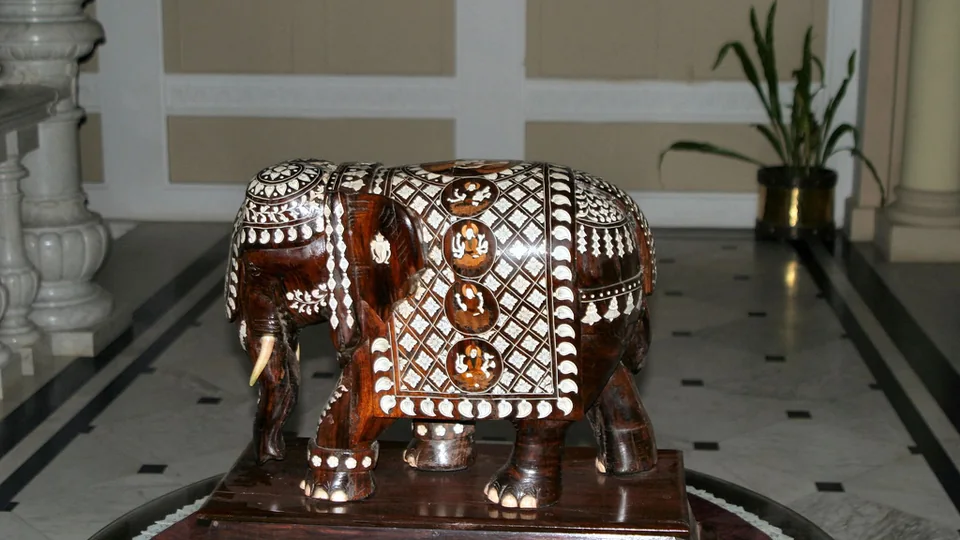
Handicrafts & rosewood inlay
Cauvery Emporium · KSHDC
Sandalwood carving, rosewood inlay, Channapatna toys and bronzes. Fixed government prices, so there is nothing to haggle over.
Devaraja Market
Mysuru City Corporation
Not a government store but the city's own market since 1886 — flowers, spices, kumkum and sandalwood oil. Bargaining is expected here, unlike the emporia.