About Mysuru
Where the name comes from, how the city came to look the way it does, and the eleven days every October that the whole of it turns out for.
A city named after the one it defeated
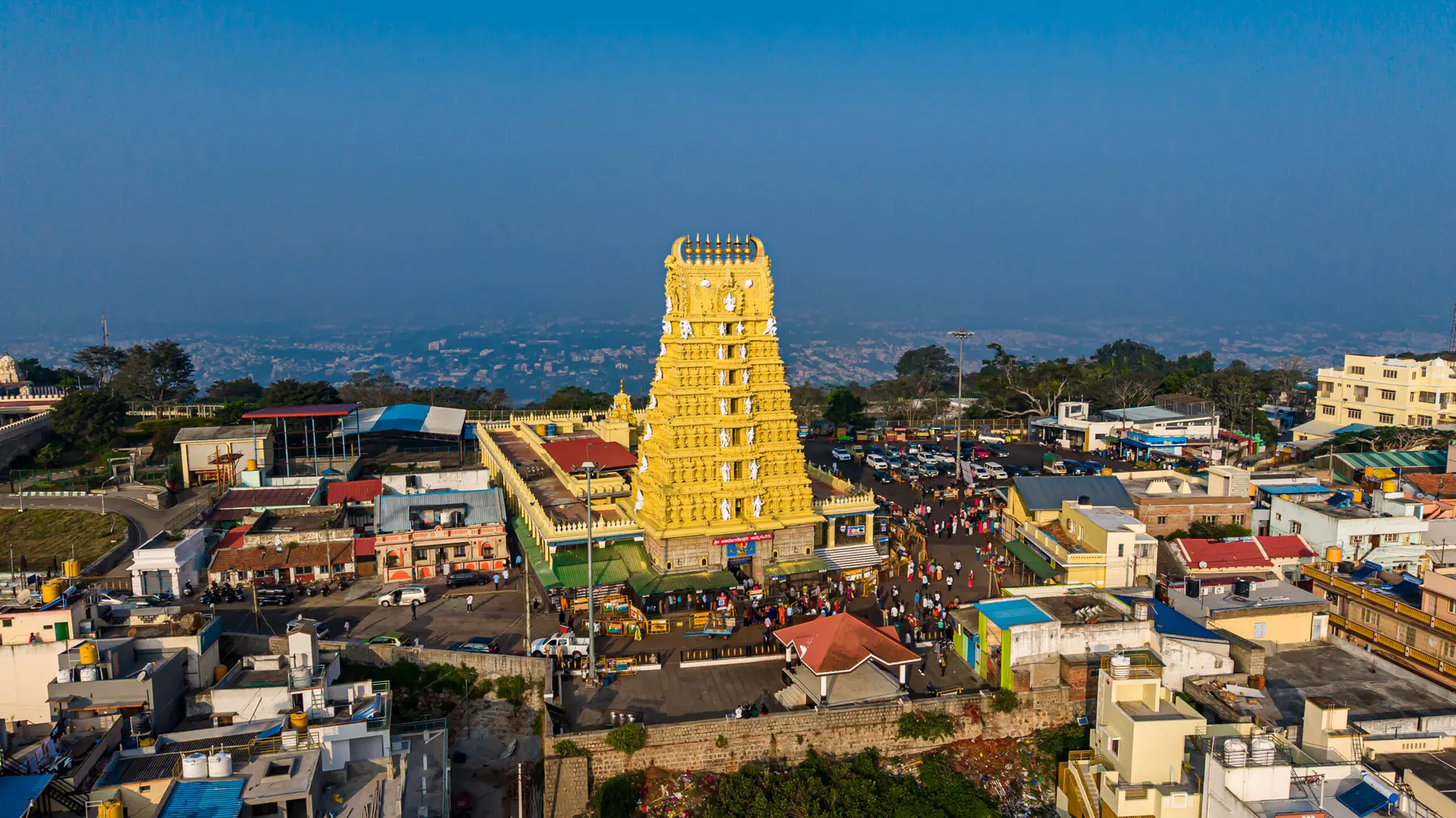
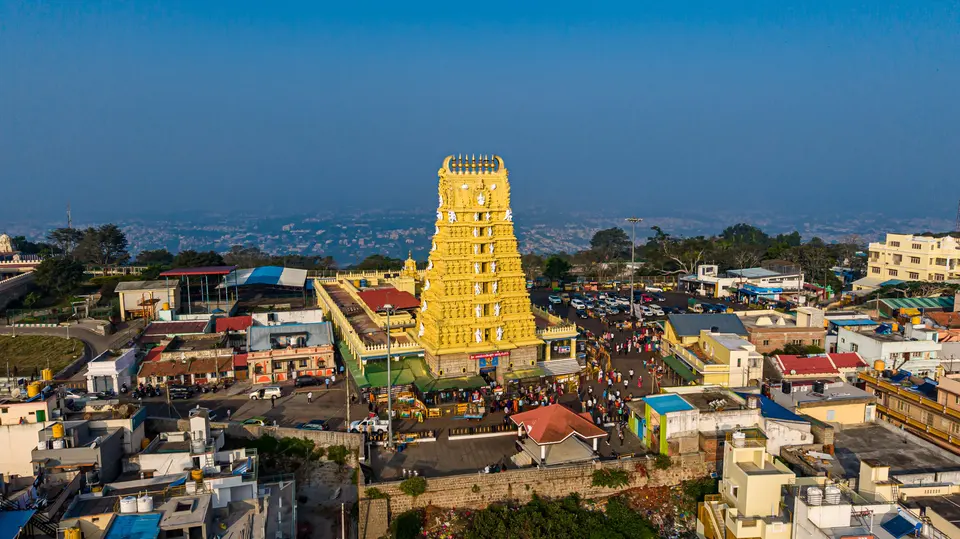
Mysuru is Mahishūru worn smooth by centuries of saying it - Mahishasurana Ooru in Kannada, the town of Mahishasura. The Devi Purana tells it: the plain was held by Mahishasura, a buffalo-headed demon, until the goddess Parvathi took form as Chamundeshwari and killed him on the hill above the city. The hill and the city have carried the two names ever since.
Inscriptions from the seventeenth century onward write it Mahishuru. The British wrote Mysore. On 1 November 2014 the state gave the older name back, and the city has been Mysuru officially since.
How the city came to look like this
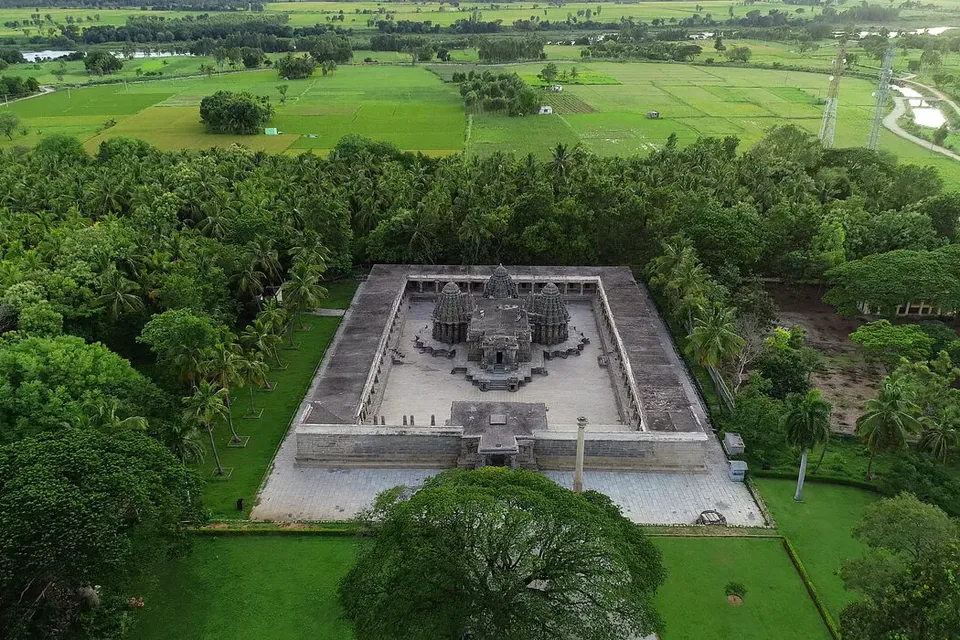
The Gangas, the Chalukyas, the Cholas and the Hoysalas each held this country in turn, and there is a Hoysala inscription in the city from the eleventh or twelfth century. The shape a visitor walks through today was settled over the six centuries that followed.
1399
The Yadu line takes charge of Mysuru as feudatories of the Vijayanagara kings, and temple building begins across the district.
The fort, and a name
The fort is rebuilt and the settlement around it is recorded as Mahishura Nagara - the city of Mahishur. Seventeenth-century inscriptions write it Mahishuru.
1610 - Dasara comes to Mysuru
The Vijayanagara court festival is taken up here. It has been kept every year since and is now the Nada Habba, the state festival of Karnataka.
The nineteenth century
The town outgrows its fort walls and spreads into the grid of wide roads and public squares that is still legible on the map.
1897 - fire, and a rebuild
The older wooden palace is destroyed. Amba Vilas, the building people queue for now, is raised in its place over the next fifteen years.
The twentieth century
Parks, hospitals, water works and public institutions - among them the University of Mysore in 1916, the first in the state.
A working city, not a preserved one
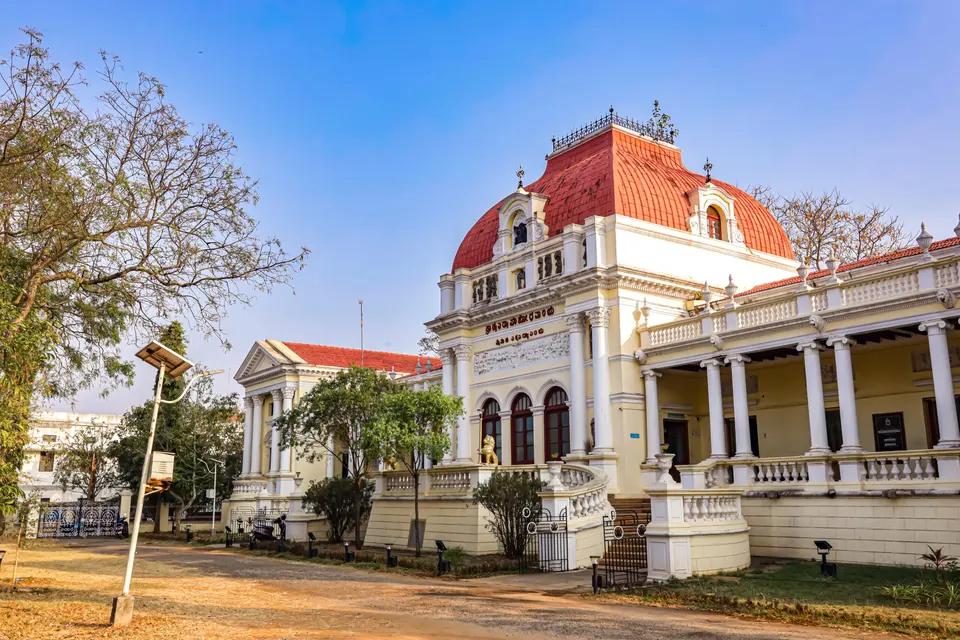
Mysuru’s heritage is mostly still in use. The palace is a public monument and the buildings around it are offices, courts and colleges. The gardens and the lakes are where the city goes in the evening. The zoo, laid out in 1892, is among the oldest in the country and is still a working one.
The same is true of the two crafts the city is known for by name. The silk is woven at the state factory to a registered mark; the sandalwood is worked into oil and soap at the state works; and Devaraja Market has been trading in the same streets for well over two hundred years. None of it is behind glass.
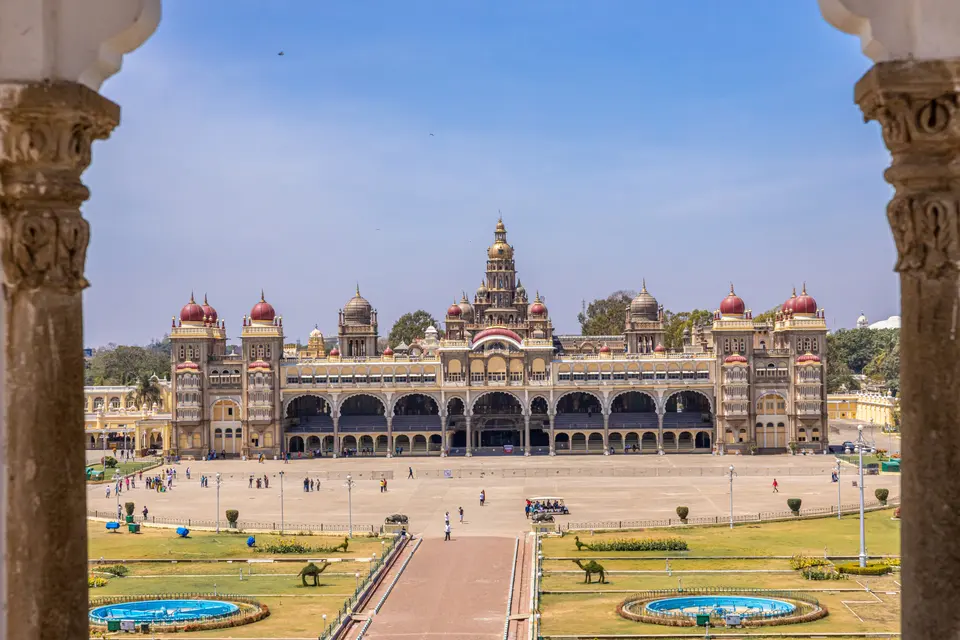 Royal Heritage
Mysore Palace
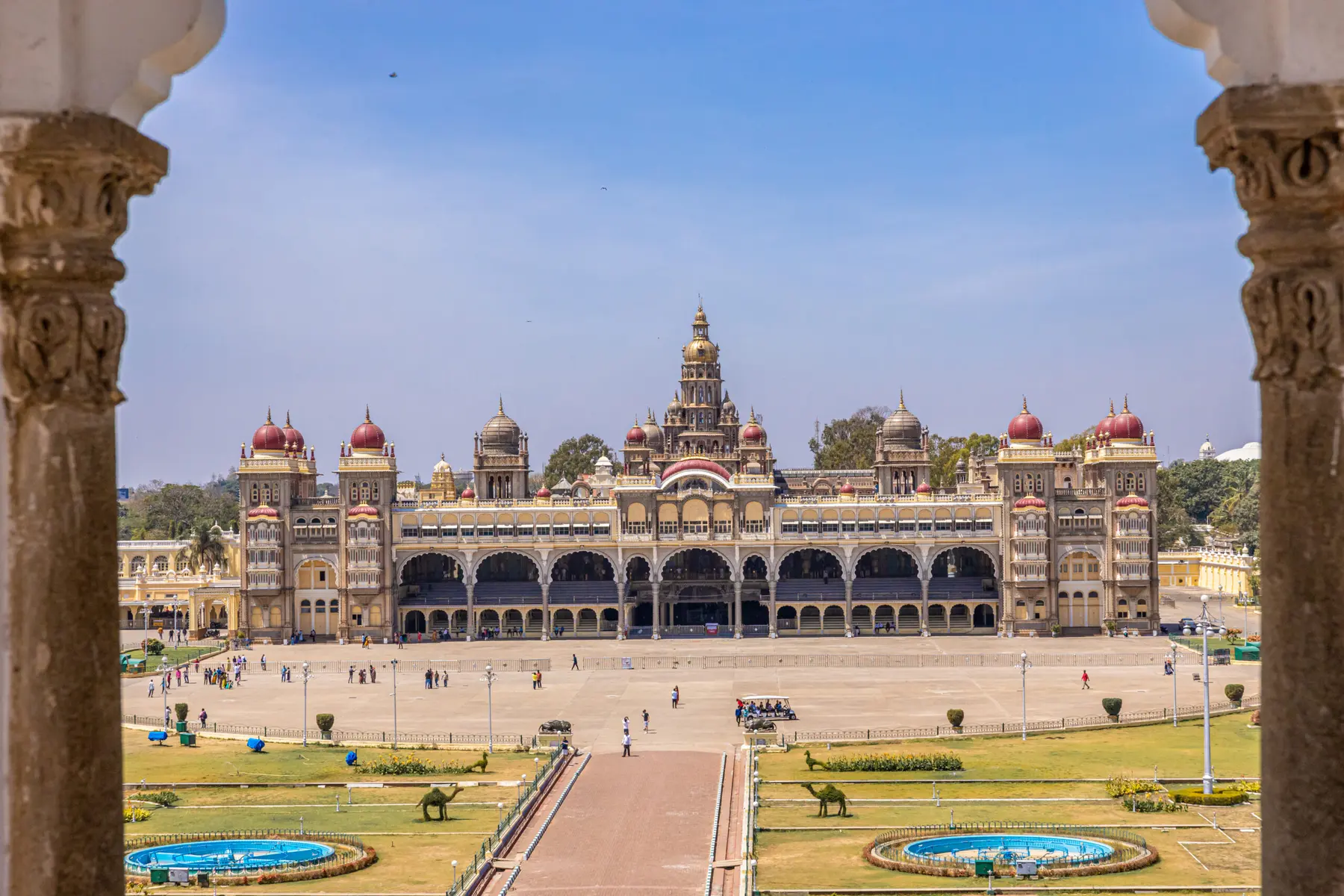
The Mysore Palace, also known as Amba Vilas Palace, is an architectural gem, a magnificent blend of Indo-Saracenic, Dravidian, and Gothic architectural styles, this royal palace is a testament to the grandeur of India's regal heritage. Constructed between 1897 to 1912 under the supervision of British architect Henry Irwin, the palace was the residence of the Wodeyar dynasty, who ruled Mysore for over 500 years.
Explore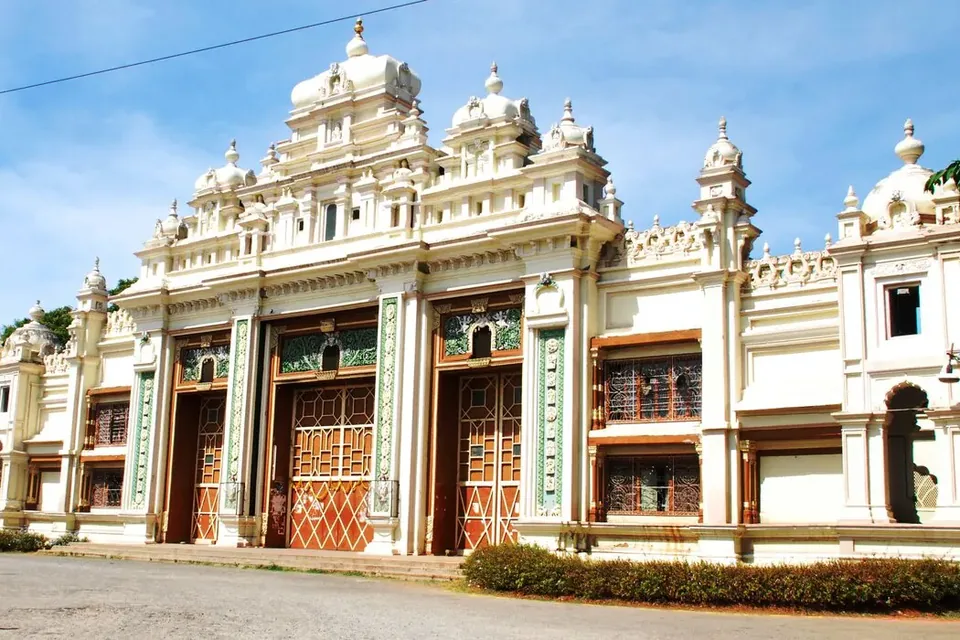 Museums & Galleries
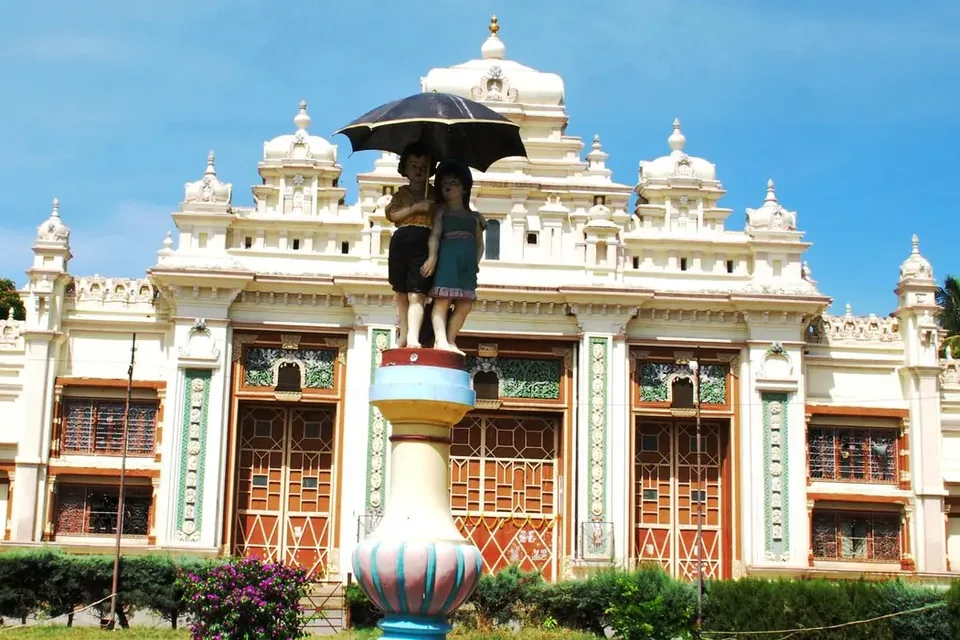
Jagan Mohan Palace
Jaganmohan Palace (1861): commonly known by its former name Jaganmohana Palace, is a royal mansion, arts museum and auditorium, and formerly an…
Explore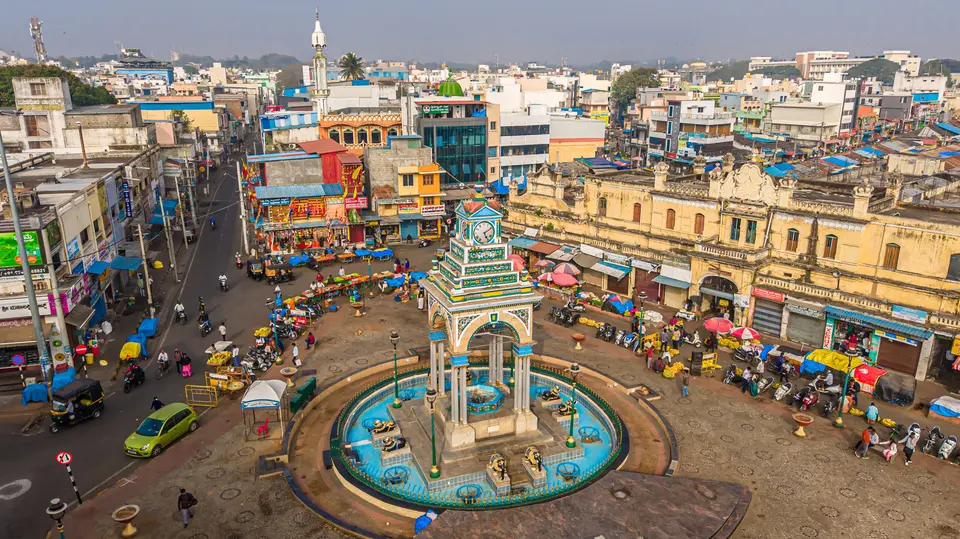 Royal Heritage
Chikka Gadiyara (Dufferin Clock Tower)
The Chikkagadiyara, or the Small Clock Tower, is a historical landmark right in the heart of the city.
Explore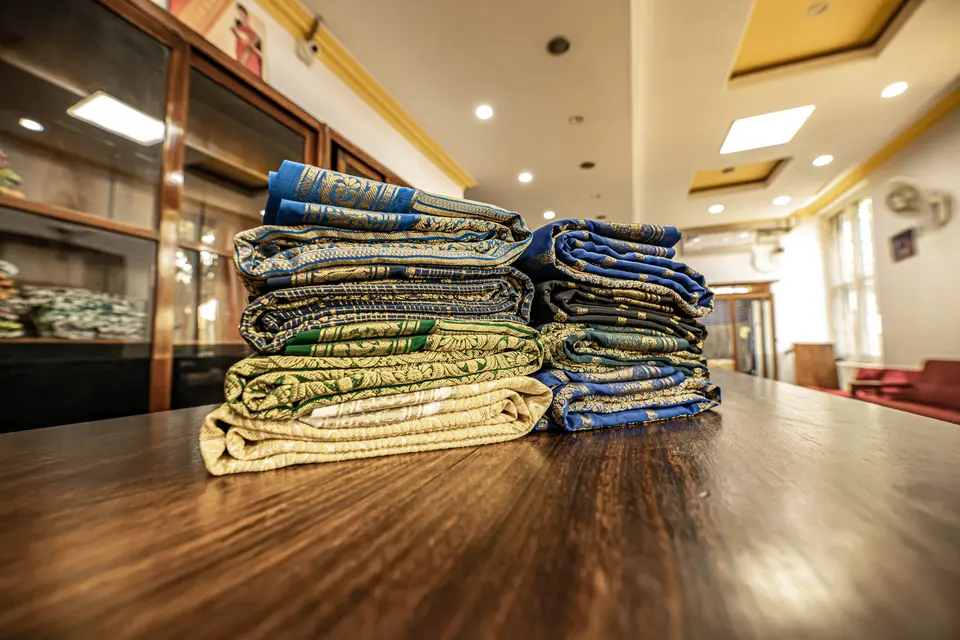 Royal Heritage
Mysore Silk Weaving Factory (KSIC)
The Karnataka Silk Industries Corporation Limited (KSIC) operates a renowned silk weaving factory in the heart of Mysuru.
ExploreEleven days the city dresses for
Dasara in Mysuru is the Nada Habba, and it is the clearest view of everything above in one place: the palace under its lights, the procession down a route it has taken for four centuries, and the Jamboo Savari closing it on the last day. In 2026 it runs from Sunday 11 to Wednesday 21 October.
Forty-two places, four ways in
Royal Heritage
The palaces, the monuments and the civic buildings at the centre of the city.
Temples & Spiritual
Temples, shrines and sacred ground across the district.
Museums & Galleries
Collections, archives and galleries that hold the city’s memory.
Parks & Wildlife
Lakes, forests and reserves in and around the city.
Plan the rest of your visit
Routes, travel details and the numbers worth keeping on your phone.